What is SEO? A beginner's guide to SEO now that AI is here
SEO is how you earn long-term organic traffic from search, and it is not dead because of AI. Learn the fundamentals first: keyword research, search intent, on-page optimization, technical SEO basics, site structure, internal linking, backlinks and authority. Then create content that solves real problems for people, and use AI as an assistant, not the strategist.
AI SEO Toolkit
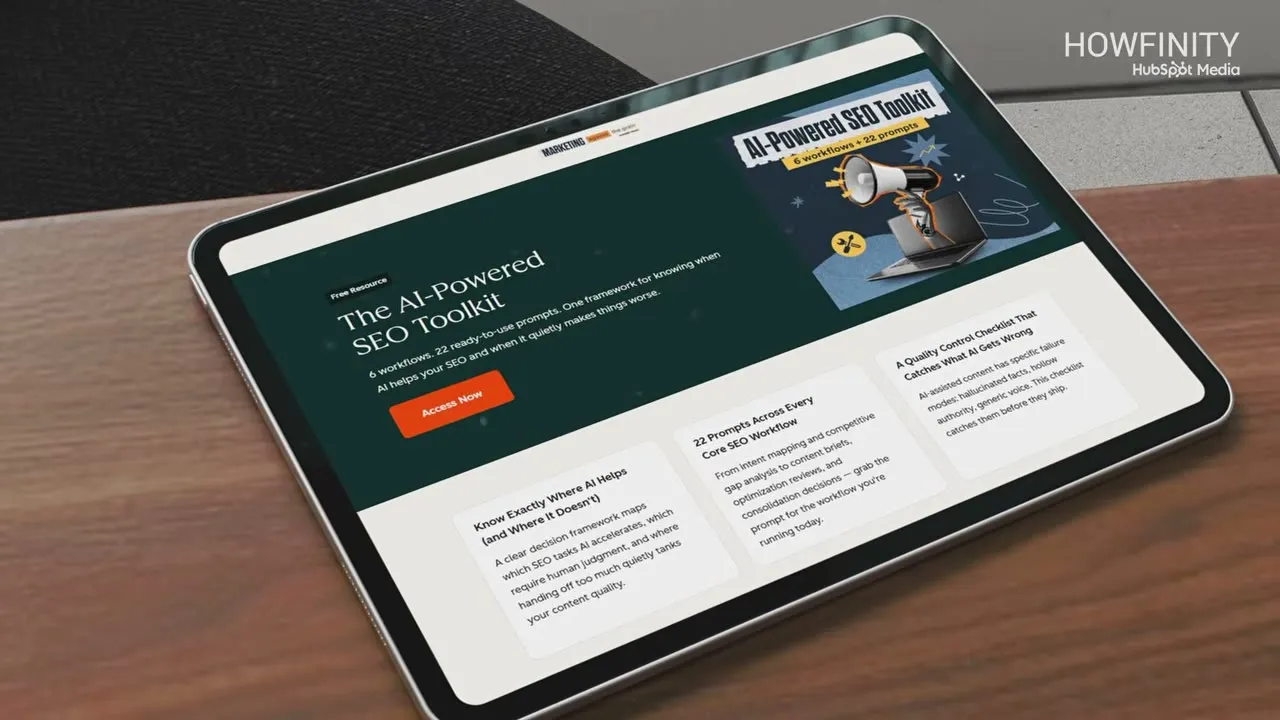
Six workflows and twenty-two prompts for doing SEO with AI.
SEO has changed a lot with the rise of AI, but it isn’t dead. Search engines still handle billions of searches every day, and learning SEO is still one of the best ways to build long-term organic traffic. This guide covers the nine things to focus on when you learn SEO today, and which habits to leave behind.
Understand the fundamentals
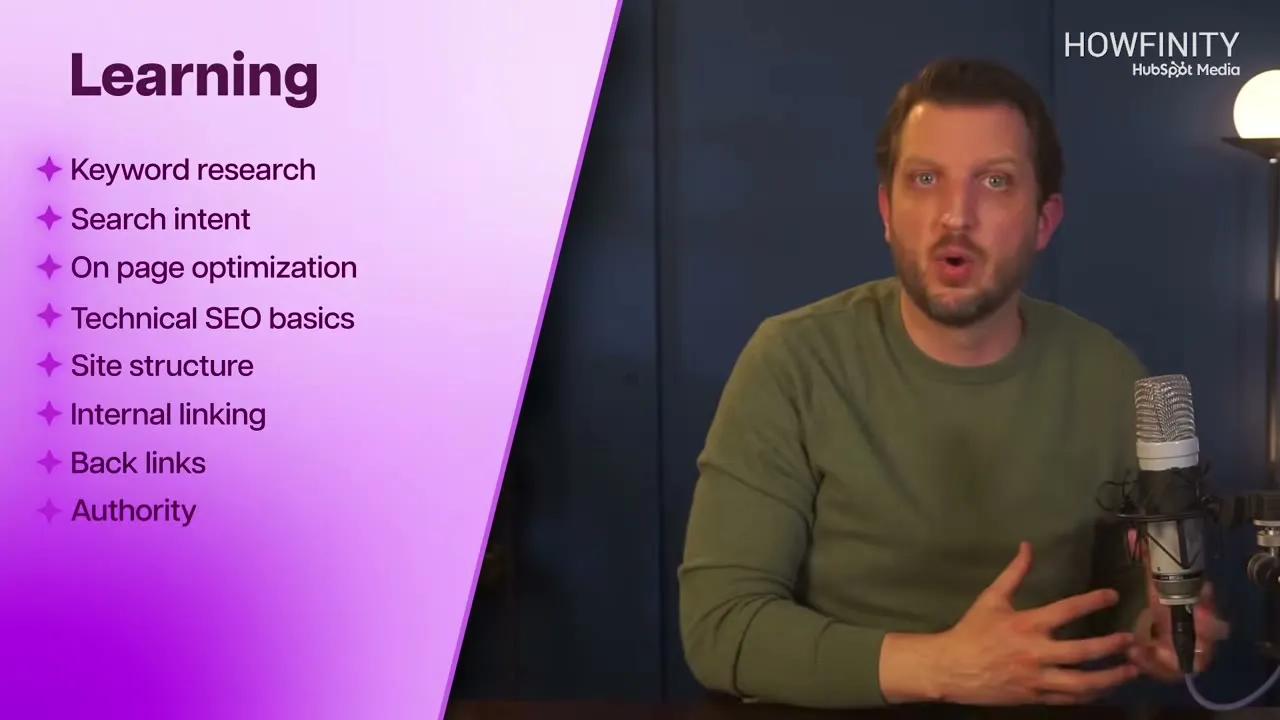
You can’t skip the basics just because AI is everywhere. Before you use AI or any advanced tools, learn the core principles of SEO:
- Keyword research
- Search intent
- On-page optimization
- Technical SEO basics
- Site structure
- Internal linking
- Backlinks and authority
Stop writing for search engines
One of the biggest mistakes is creating content only to rank. Instead of asking “How do I rank for this keyword?”, ask “What problem is this person trying to solve?”
Google’s goal is to deliver the most useful answer, not the page with the most keywords.
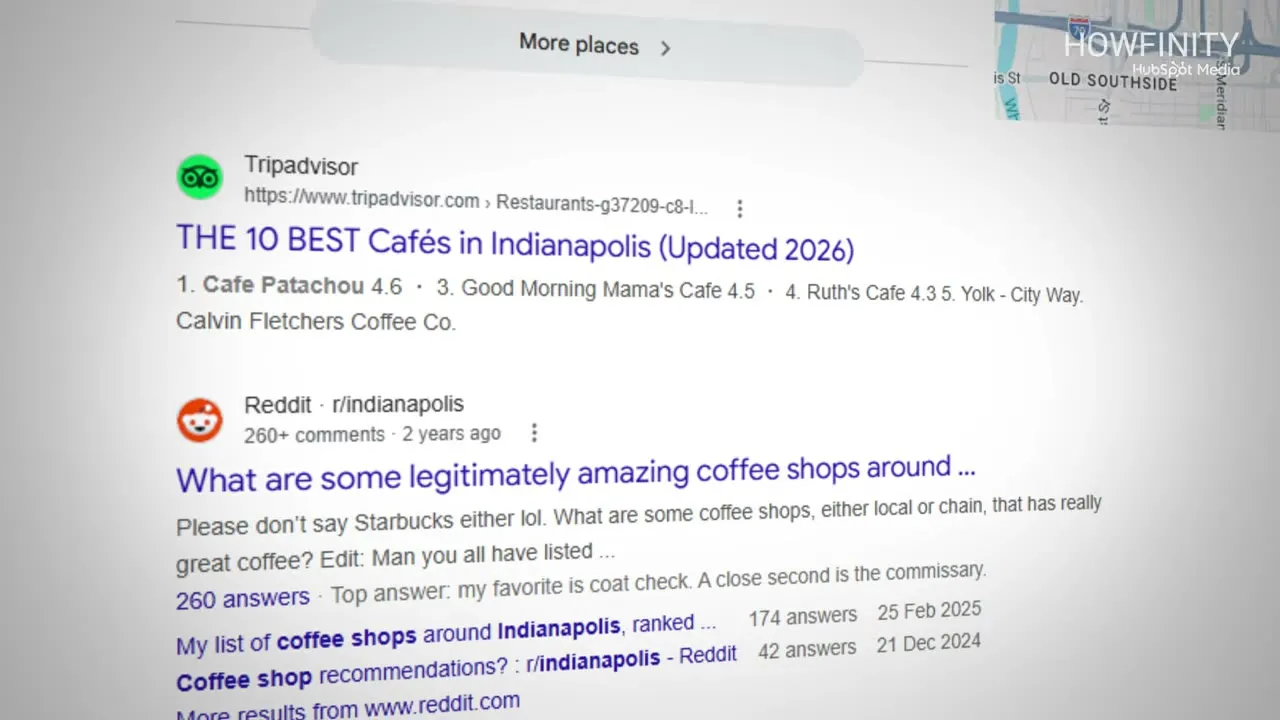
Understand search intent before you create content
Figure out exactly what your audience is looking for. Ask yourself:
- Who is searching for this topic?
- Are they beginners or experienced?
- What questions are they trying to answer?
- What outcome are they hoping to achieve?
- What format would help them the most?

The better you understand the search intent, the more useful your content becomes.
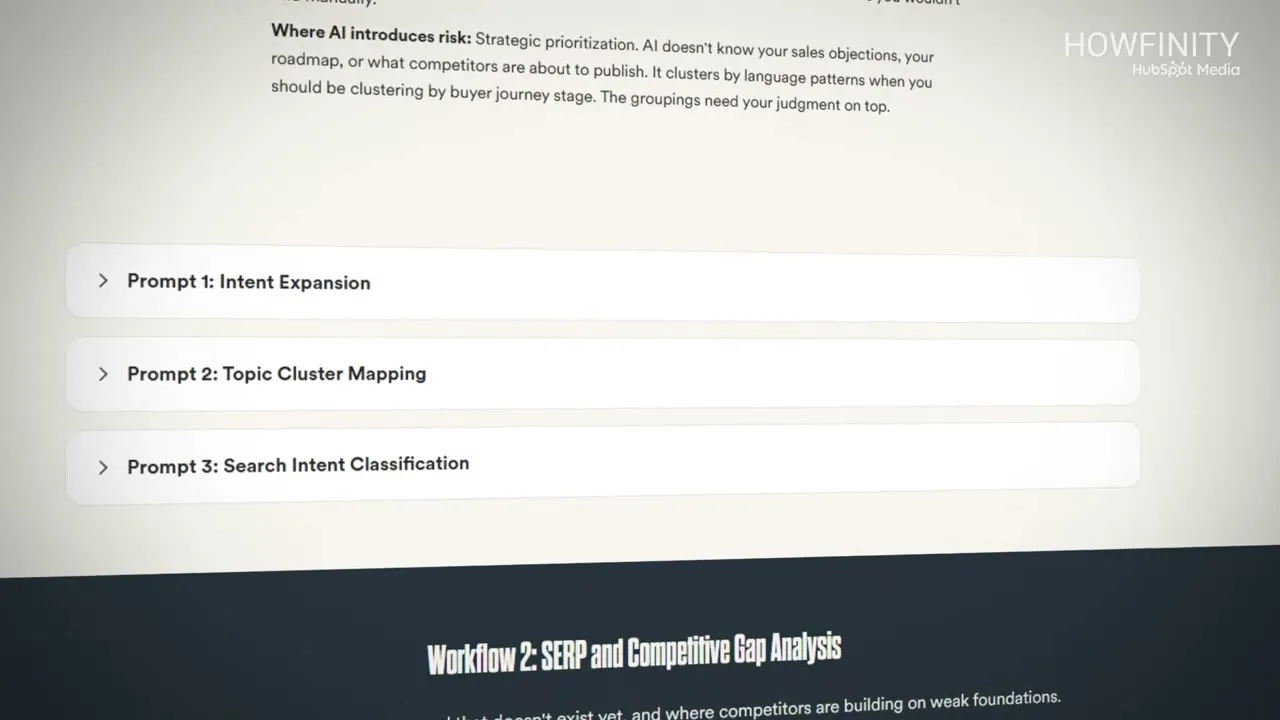
Most SEO teams either underuse AI or overuse it, and both hurt rankings. AI tends to make things generic, so your job is to guide it, fine tune it and add the human elements. HubSpot’s free AI-Powered SEO Toolkit has six workflows and 22 prompts that show where AI speeds things up and where you still need human judgment.
Create content people actually want
Don’t copy competing articles and add a few extra paragraphs. Create content that genuinely helps people. Know where to use AI and where to set it aside, and put yourself in the shoes of the customer or client whose problem you are solving.
Keep these in mind for every piece of content:
- Answer the user’s questions quickly.
- Make it easy to read or take in.
- Include practical examples.
- Solve real problems.
- Leave your readers or viewers feeling like they accomplished something.
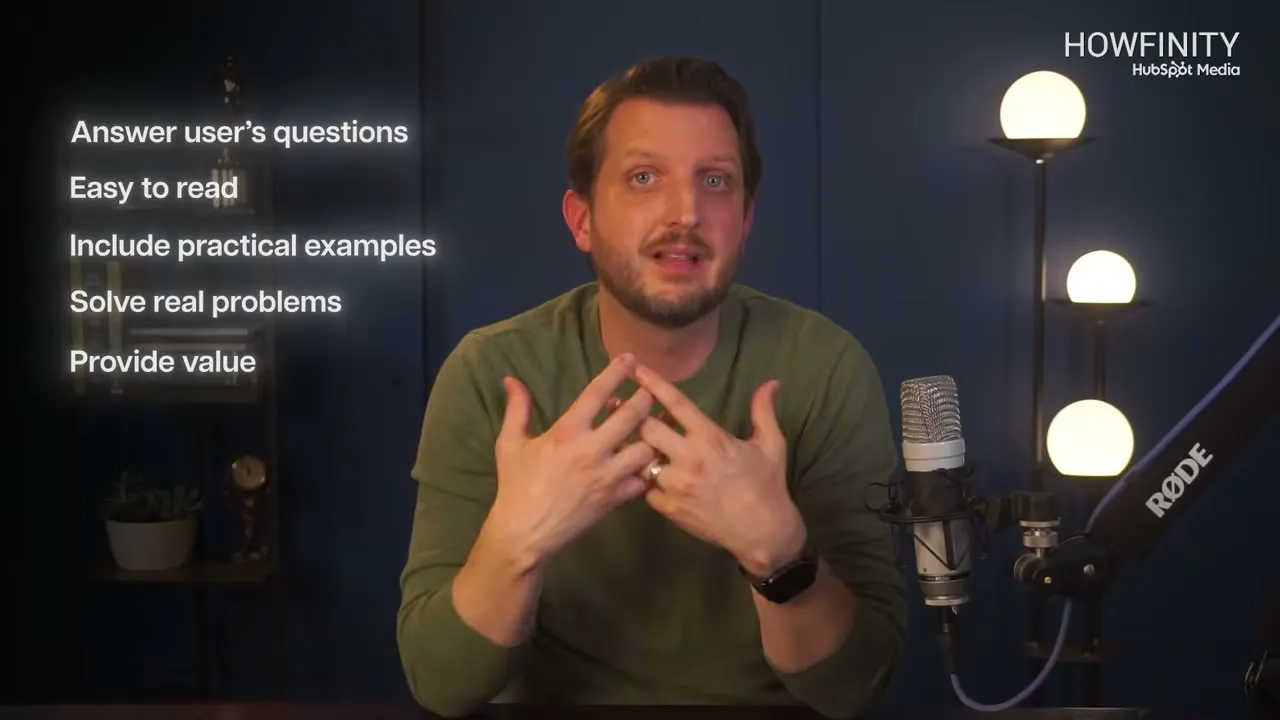
Useful content naturally performs better than content written only for an algorithm.
Use AI as an assistant
AI can speed up your workflow a lot, but it shouldn’t replace your expertise. Use it for tasks like:
- Brainstorming ideas
- Creating outlines
- Improving readability
- Summarizing research
- Generating headline options
- Editing drafts
The quality of the AI output depends on the quality of your guidance. For example, give it your knowledge of the topic you’re writing about and let it come up with the keywords that go with it.
Build your own SEO skills
Don’t rely on AI to make every decision. Learn enough SEO to judge the keywords AI gives you and to know whether they are really what your audience searches for. Review the search results, identify content gaps and make the strategic decisions yourself.
Think of AI as a tool that helps execute your strategy, not the one that creates it. Where people fall short is taking themselves out of the driver’s seat and putting AI fully in control. AI is never going to replicate who you are and what you specifically offer your audience.
Gain real experience
Create content and see if it works:
- Create content
- Publish articles
- Track rankings
- Measure traffic
- Update pages
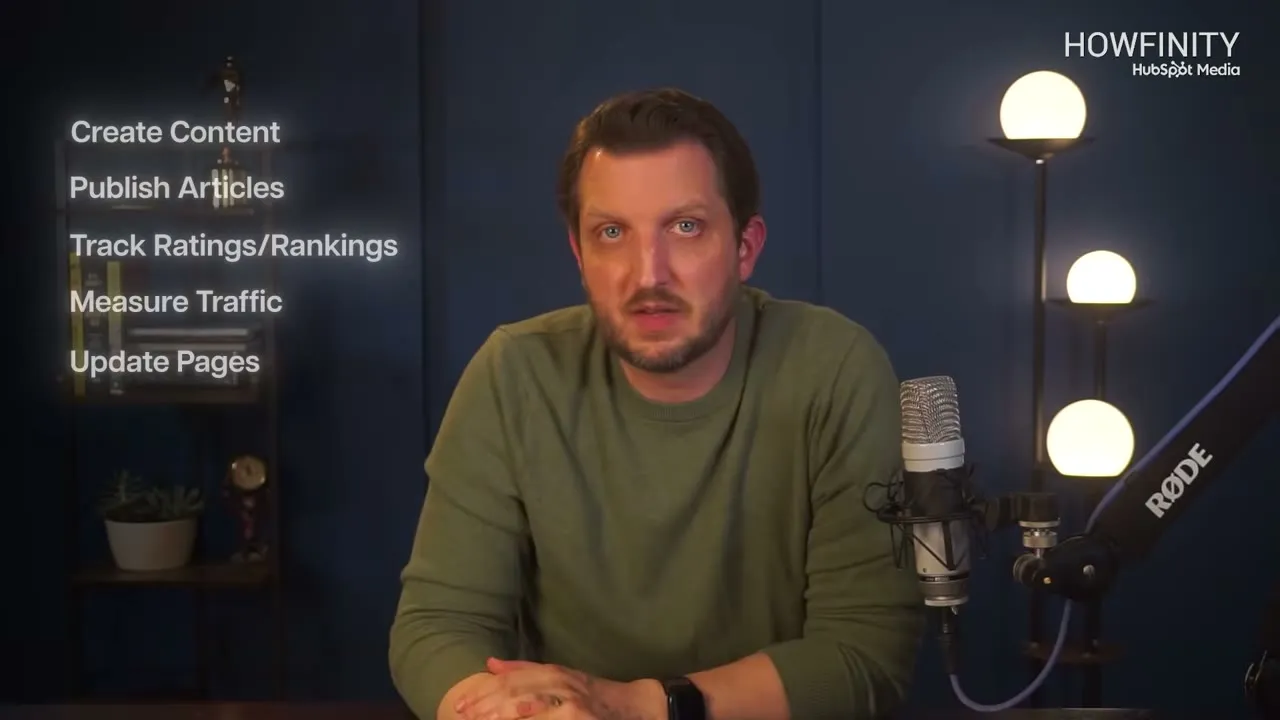
The more websites and content you work on, the faster you’ll understand what actually works.
Don’t depend on Google alone
Organic search is incredibly valuable, but it shouldn’t be your only source of traffic. Build audiences across platforms like YouTube, Pinterest, Reddit, LinkedIn and TikTok, and through email marketing. Spreading your traffic out helps protect your business if search rankings change.
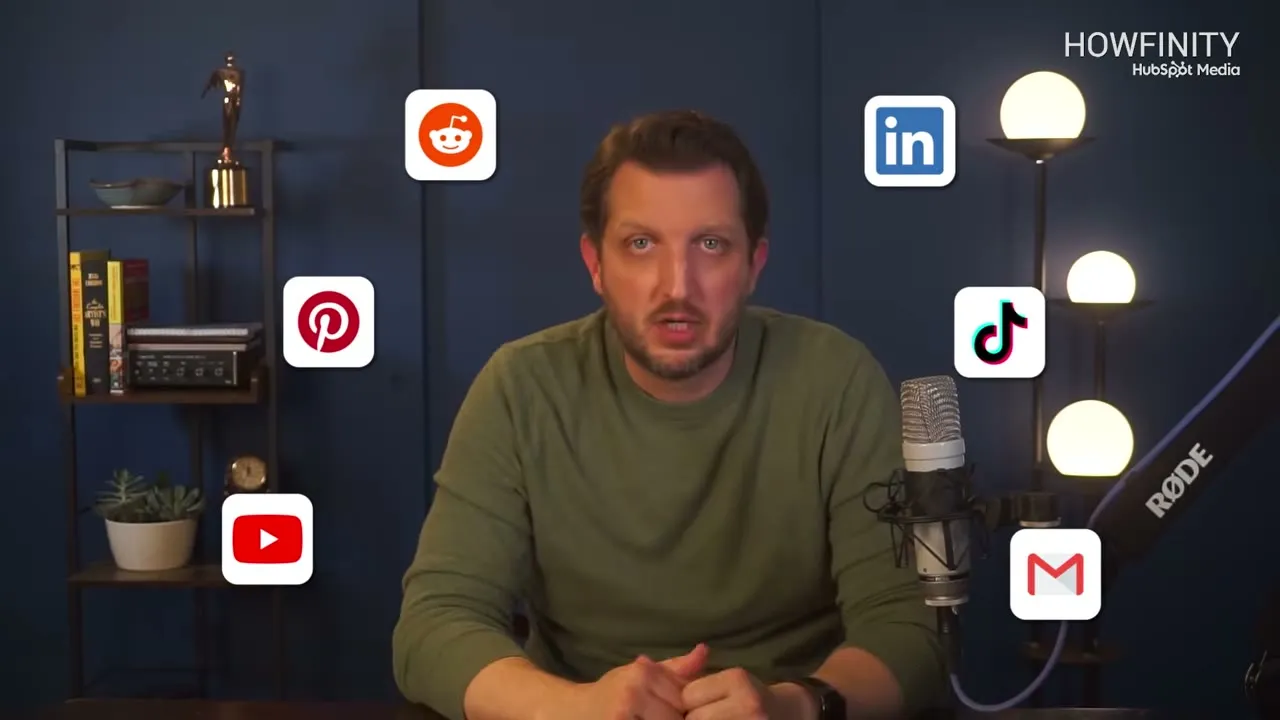
SEO is a little different on each platform. What works on Google doesn’t always work on TikTok, and what works on LinkedIn doesn’t always work on Pinterest.
Keep adapting
SEO keeps evolving, and it has changed fast over the last few years. Don’t chase the newest shortcut or algorithm hack. Focus on lasting skills: understanding your audience, creating exceptional content and improving user experience. Work with the end in mind: who are you trying to reach, and what problem are you solving?
SEO isn’t going anywhere. There are some new rules, but the fundamentals are still the same.
Common questions
Is SEO dead because of AI?
No. SEO has changed a lot with the rise of AI, but search engines still handle billions of searches every day, and learning SEO is still one of the best ways to generate long-term organic traffic. There are some new rules, but the fundamentals are the same.
What should a beginner learn first in SEO?
The fundamentals, before any AI or advanced tools. Focus on keyword research, search intent, on-page optimization, technical SEO basics, site structure, internal linking, backlinks and authority.
What is search intent?
It is what your audience is actually looking for. Ask who is searching for the topic, whether they are beginners or experienced, what questions they want answered, what outcome they hope for and what format would help them most.
Can I use AI for SEO?
Yes, as an assistant. Use it for brainstorming ideas, creating outlines, improving readability, summarizing research, generating headline options and editing drafts. Don't let it make every decision or set your strategy.
Should I only focus on Google?
No. Organic search is valuable, but it shouldn't be your only source of traffic. Build audiences on platforms like YouTube, Pinterest, Reddit, LinkedIn and TikTok, and through email marketing. SEO works differently on each one.
AI SEO Toolkit
Six workflows and twenty-two prompts for doing SEO with AI.
AI SEO Toolkit
Six workflows and twenty-two prompts for doing SEO with AI.
Get the free toolkit