What is a lead magnet? How to create one people want
A lead magnet is a free resource you offer in exchange for someone's contact information, usually their email address. A good one solves a real problem your audience already has, gives them an early win while showing there is more to learn, and points them to a clear next step with your business.
Lead Generation Guide
Tools and templates for building your first lead magnet.
If you want to grow your email list with people who are actually interested in your business, you need a lead magnet people genuinely want. This guide covers what a lead magnet is, the elements every successful one should include, and four proven lead magnet formats you can start using today.
What a lead magnet is
A lead magnet is a free resource you offer in exchange for someone’s contact information. Usually that is their email address.
The goal isn’t simply to collect emails. It is to attract qualified people who are likely to become future customers. It works because it is an exchange: people aren’t getting spammed with unwanted information. They are saying, “Yes, I will give you my email because I want this thing you are offering,” and that value is tied to why they would eventually hire you or buy a product or service from you.
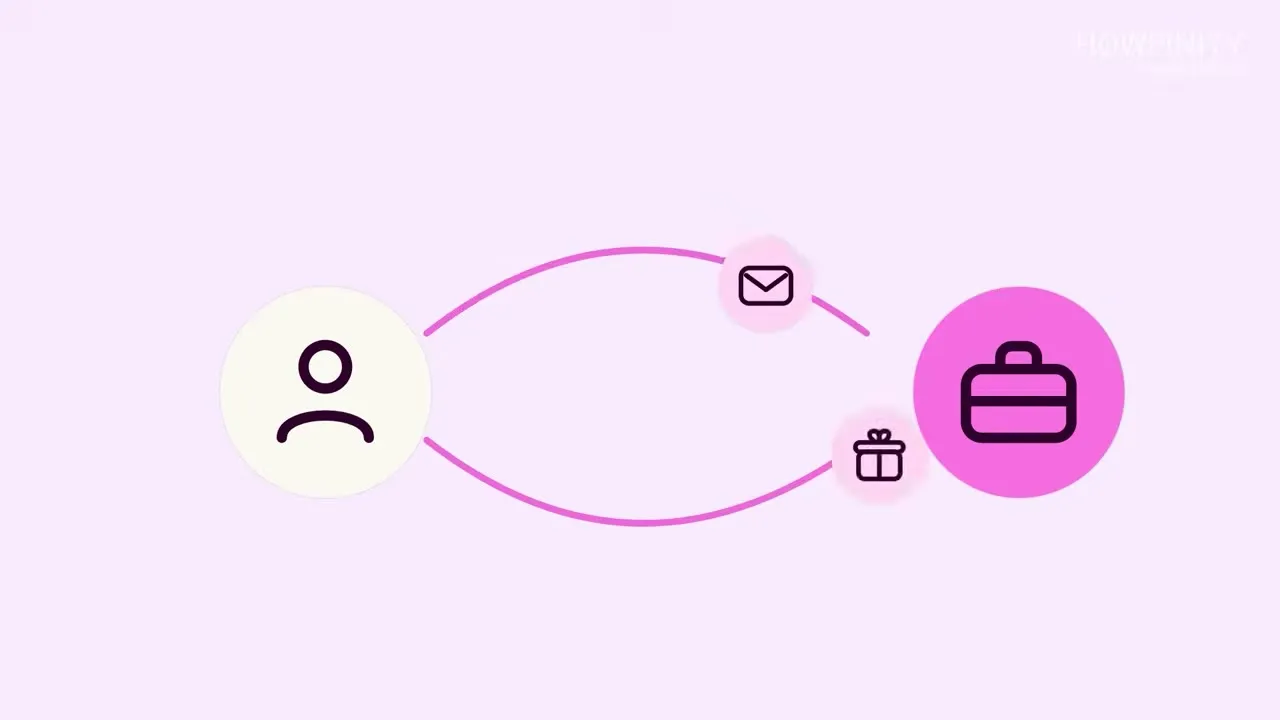
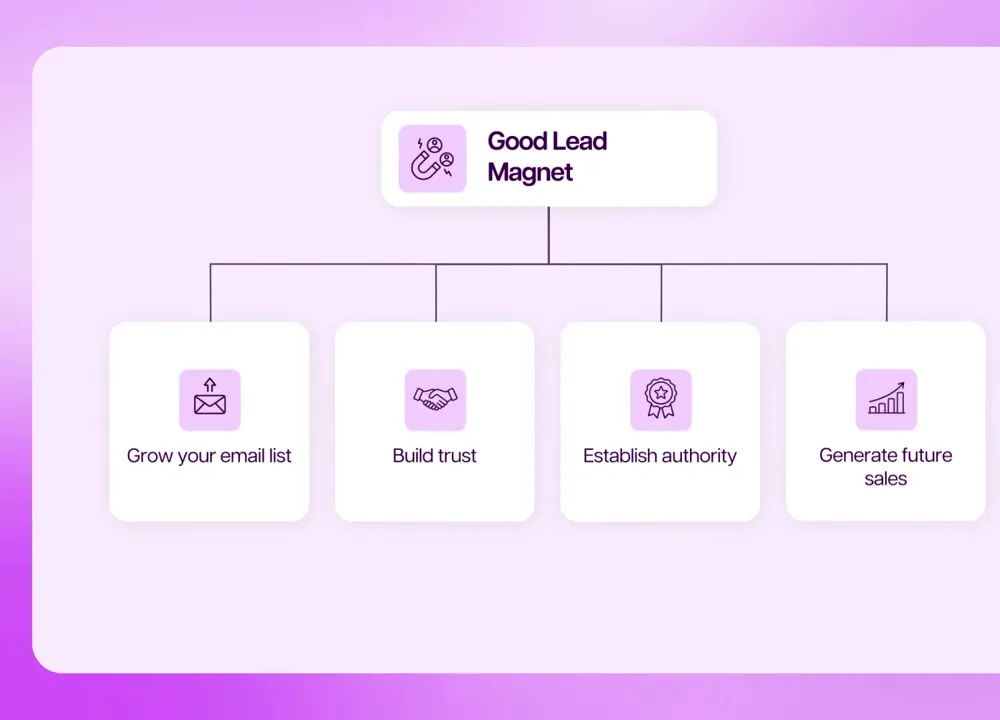
A good lead magnet helps you:
- Grow your email list
- Build trust
- Establish authority
- Generate future sales
Solve a real problem
The first requirement of a great lead magnet is that it solves an immediate problem for your audience. Instead of creating something you think people will want, build your lead magnet around questions your audience is already asking.
Don’t be stingy here. The more valuable and practical it is, the more likely people are to subscribe and give you their email. And the more value you give them for simply sharing their email, the more trust you build. People buy from people they know, like and trust. A strong free resource says: look what I’m giving you for free, and think about what else I can give you if we keep working together. Your emails and marketing to that list carry that forward.
Create curiosity for what’s next
Your lead magnet should deliver genuine value, but it shouldn’t try to teach everything. Help people achieve an early win while showing them there is more to learn.
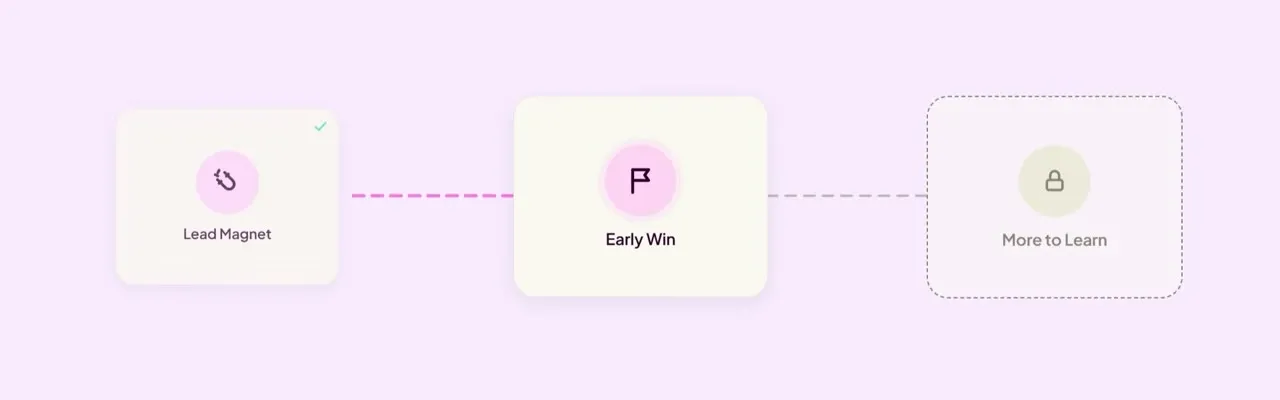
When subscribers see results from your free resource, they are much more interested in your paid products or services.
Include a clear next step
Every lead magnet should encourage subscribers to continue their journey with your business, not take the free resource and stop there. After someone finishes it, guide them toward the next logical action, such as:
- Booking a consultation
- Purchasing a product
- Joining a course
- Reading another resource
- Signing up for a webinar
Your lead magnet should be the beginning of the customer’s journey, not the end.
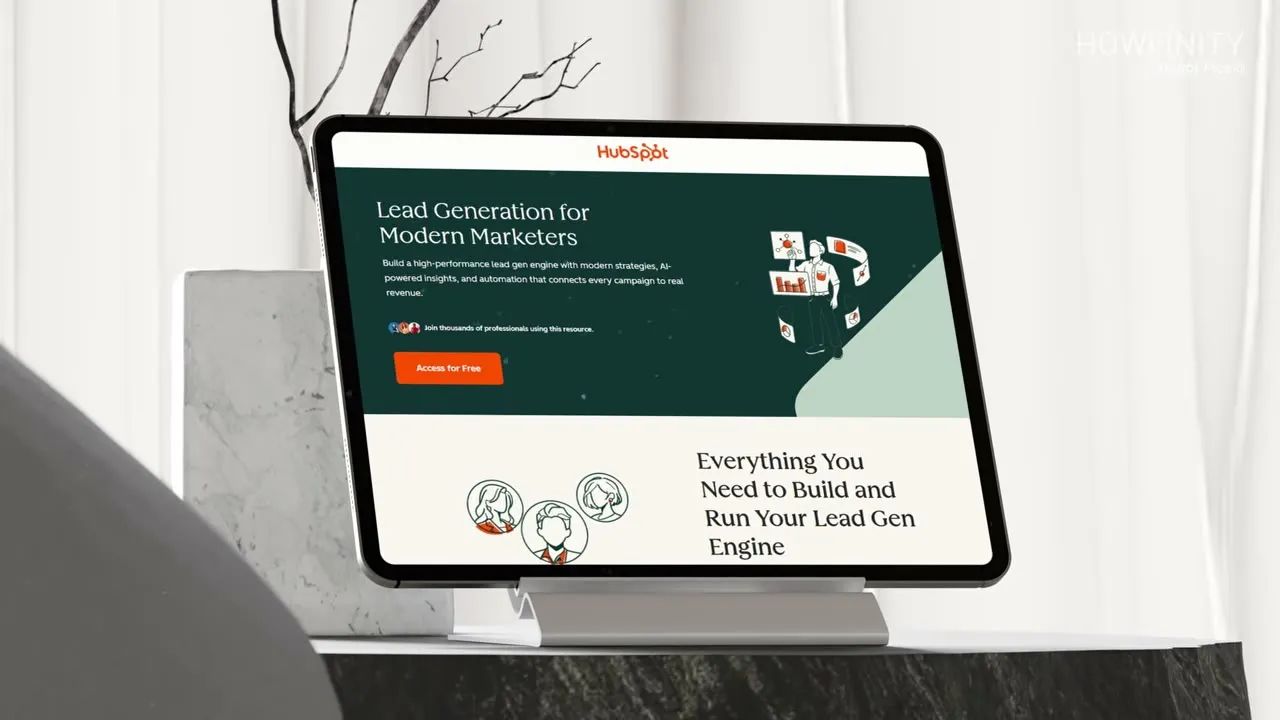
If you want to build a full lead generation system, HubSpot’s free guide to modern lead generation covers how to build a lead generation framework, use AI and automation to improve lead quality, and connect your campaigns directly to revenue. It also comes with tools and templates to help you put it into practice.
Strategy 1: Solve the first step
Rather than solving someone’s entire problem, help them fully complete the very first step. They get an immediate result, and they see there is a complete process available if they want to continue.
Formats that fit this approach:
- Starter checklists
- Beginner’s guides
- First step templates
- Quick start workbooks
This works well because it builds confidence and encourages people to keep learning from you.
Strategy 2: Diagnose the problem
Help your audience identify a challenge they may not realize they have. Interactive lead magnets work especially well here:
- Quizzes
- Assessments or scorecards
- Self-evaluations
After you show someone where they currently stand, recommend the next step to improve their results, such as working with you or buying your service. This also positions you as the authority in that space.
Strategy 3: Teach the what, sell the how
Teach your audience what they need to do, while positioning yourself and your product or service as the easiest way to get it done. Good formats for this include:
- Workshops and webinars
- Master classes
- Educational training sessions
By giving away valuable knowledge, you build credibility and lead people toward your paid solution.
Strategy 4: Offer a free sample
Sometimes the simplest lead magnet is giving people a taste of what you sell:
- A free trial
- Product samples
- Discount codes
- A mini version of a paid product
- Limited free access
This lets potential customers experience your brand before they buy. You see it all the time: 30 days free or a one-week trial that plugs you into the system and shows you how the full version would benefit you.
Choose the right lead magnet for your business
Not every lead magnet works for every business. Choose a format that naturally aligns with your products and services and gives genuine value to your ideal customer.
Aim for something targeted and specific to that customer, with value so high that people would be ready to pay for it. When it is not just a generic PDF but something with real, tangible value, people won’t hesitate to give you their email address. Pair that with clear next steps, and you are on your way to growing your email list and your customer base.
Common questions
What is a lead magnet?
A lead magnet is a free resource you offer in exchange for someone's contact information, usually their email address. The goal is to attract qualified people who are likely to become future customers.
Why do lead magnets work?
Because it is an exchange. People aren't getting spammed with unwanted information; they choose to give you their email because they want something of value that is tied to why they would eventually hire you or buy from you.
What makes a good lead magnet?
It solves a real problem your audience is already asking about, gives them an early win without trying to teach everything, and includes a clear next step such as booking a consultation or joining a webinar.
What are some examples of lead magnets?
Starter checklists, beginner's guides, first step templates, quick start workbooks, quizzes, assessments, scorecards, workshops, webinars, master classes, free trials, product samples, discount codes and mini versions of a paid product.
How do I choose the right lead magnet for my business?
Not every lead magnet works for every business. Choose a format that naturally aligns with your products and services and gives genuine value to your ideal customer, ideally something valuable enough that people would pay for it.
Lead Generation Guide
Tools and templates for building your first lead magnet.
Lead Generation Guide
Tools and templates for building your first lead magnet.
Get the free guide